 Español
 English
 日本語
日本語 Español
 Deutsch
 عربى
عربى
Walk into any supermarket and you will see red meat that still looks red on day three, a salad that has not turned brown, and bread that stays soft for weeks. The machine behind that is a MAP packaging machine, but it does not do the job alone.
The hard truth: a MAP machine only controls the gas mix. The packaging material controls whether that gas mix stays inside. For fresh meat, seafood, coffee, or frozen food, choosing the right high-barrier film is often more critical than the machine itself.
Shengchang (Shanghai) New Material Tech. Co., Ltd. has spent years producing multilayer co-extruded films and finished pouches for exactly this kind of application. In this guide, we break down how MAP works, what it cannot fix, and how to select materials that actually deliver the shelf life your product needs.
Contenido
How a MAP Packaging Machine Works
A MAP packaging machine replaces the air inside a package with a controlled gas mixture. The process is mechanical, but the result depends heavily on the film you use.
Three core stages
1. Vacuum evacuation
The chamber pulls ambient air out of the package. Residual oxygen levels typically drop below 1% depending on the cycle.
2. Gas mixing
A gas mixer combines nitrogen, carbon dioxide, and oxygen at precise ratios. The ratio is not universal: each food type has an ideal mix.
3. Sealing
The package is sealed immediately. The seal and the film must both be airtight, or the modified atmosphere will escape within hours.
Here is the critical point: many machines produce the same gas mix, but packages from different film suppliers behave very differently. A gas mix trapped inside a low-barrier bag is like putting a lid on a leaky bottle.
Gas Ratios and Barrier Requirements by Food Type
No single gas mix works for everything. The table below shows what the machine should deliver and what the film must withstand.
For meat or seafood packs that need both high barrier and thermoformability, a 7-11 layer PA/PE co-extruded film is a reliable starting point. Shengchang's high-barrier thermoforming film is designed with EVOH layers to hold gas ratios in place.
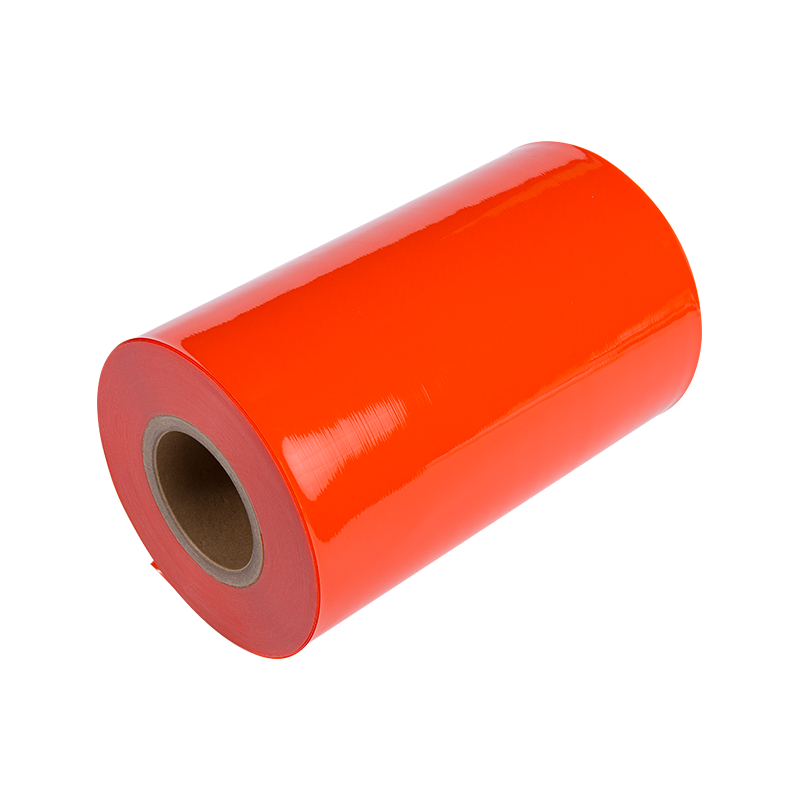 High Barrier Thermoforming Film with EVOH for Extended Shelf Life This co-extruded PA/PE film incorporates EVOH layers to provide excellent oxygen and moisture barrier, helping maintain modified atmosphere in meat and seafood packaging while offering clarity and puncture resistance. View Product →
 Hidden Metric: How Film Barrier Drives Shelf Life
Two films can look identical before sealing, but their oxygen transmission rate (OTR) determines whether your product still tastes fresh after three weeks. Lower OTR means the modified atmosphere stays intact longer.
The chart below translates OTR into practical shelf life for a MAP-packaged food product. These are typical ranges, not guarantees.
In numbers: a standard PE film can have an OTR of 1500 cc/m²/24h, while a multilayer PA/PE structure drops to around 80, and an EVOH barrier layer can reach as low as 2. That difference of several orders of magnitude is what keeps your gas mix where it belongs.
If you want to understand how specific layer structures affect performance, our bottom thermoforming film materials guide explains the trade-offs in plain language.
Where MAP Packaging Is Used Most
MAP is not a one-size-fits-all solution. Its value changes across industries based on shelf life targets and product fragility. The pie chart below shows a typical distribution of MAP packaging use.
- Meat and poultry – 35%
- Fruits and vegetables – 25%
- Seafood – 20%
- Bakery – 12%
- Coffee and snacks – 8%
Notice that seafood and meat alone account for over half of MAP usage. These are also the categories where barrier failure shows up fastest: discoloration, drip loss, and sour odors. That is why suppliers to these segments usually demand high-barrier films with consistent quality.
A Practical Selection Guide for MAP Packaging
Choosing the right film for your MAP line is a step-by-step process. Skip one of these steps and you can end up with a machine that runs perfectly yet still fails on the shelf.
1. Characterize your product
Measure respiration rate, moisture loss, and expected storage temperature. A delicate salad needs a very different environment than a frozen steak.
2. Define the gas mix
Work with your MAP machine supplier to set target O2 and CO2 levels. For meat, high O2 preserves color; for most produce, low O2 and high CO2 slow spoilage.
3. Match barrier level
Choose a film whose OTR and water vapor transmission rate (WVTR) match your gas targets. Do not rely on machine settings alone.
4. Validate with a test run
Pack a small batch and monitor gas composition over 7, 14, and 30 days. If the gas shifts too quickly, the barrier is insufficient.
5. Verify compliance
Ensure your film and printing inks meet food-contact regulations in your target market. Keep certificates and test reports on file.
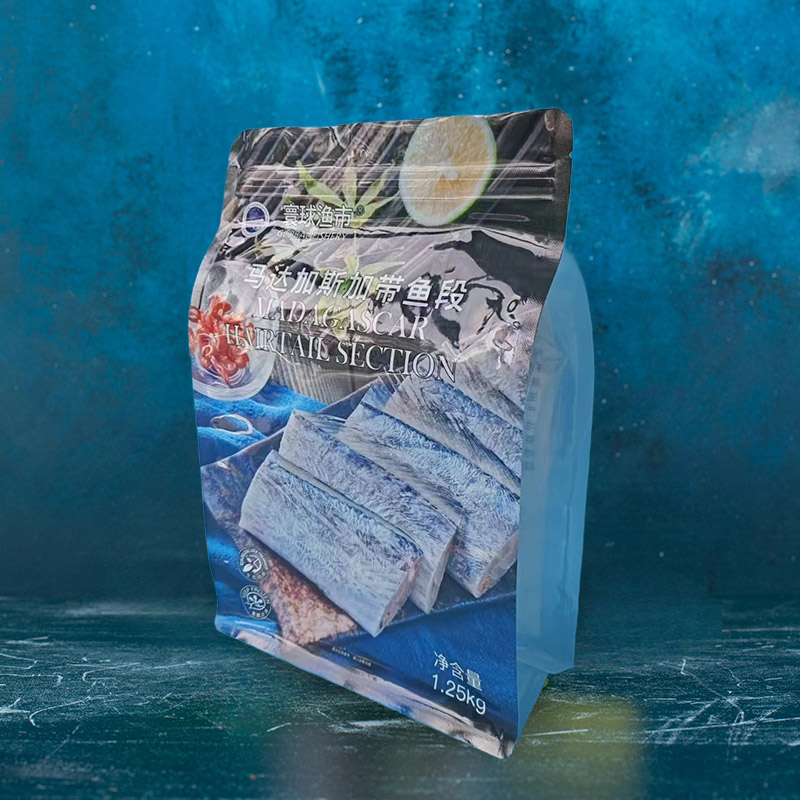
For frozen seafood or meat in a high-barrier pouch, Shengchang's guide to choosing the right frozen food packaging bag provides practical advice on material structure and performance.
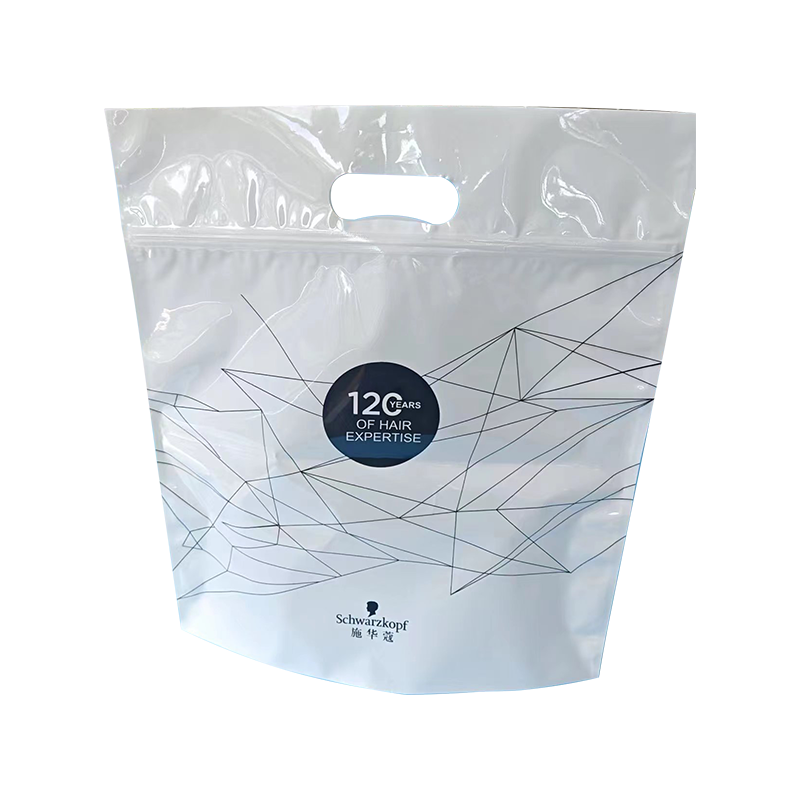 High Barrier Frozen Seafood Bag for Low-Temperature Storage Designed for frozen foods, this multi-layer composite bag withstands temperatures below -18°C, offering high barrier against moisture and oxygen to prevent freezer burn and preserve freshness. View Product →
 Compliance and Maintenance Recommendations
A MAP packaging line is only as trustworthy as its weak link. That weak link is usually not the machine; it is a film that has not been tested for your specific application.
What to watch
- Food-contact compliance: For the U.S. market, follow FDA 21 CFR; for the EU, Regulation (EC) No 10/2011. Migration limits are not negotiable.
- Ink safety: Low-migration inks are a must when the printed surface touches peel-off lids or when the print is visible through clear film.
- OTR and WVTR testing: Ask your supplier for test reports from a qualified laboratory. Do not rely on a CoA certificate alone.
- Machine calibration: Check gas mixing accuracy and seal temperature weekly. Even a minor drift in gas ratio can shorten shelf life by days.
- Seal integrity: Break force and peel tests should be part of your incoming inspection for every batch of bags or films.
At Shengchang, quality control is built around these exact parameters. We test films for barrier performance, seal strength, and food-contact safety before they leave the facility. When you pair a reliable MAP packaging machine with a well-engineered high-barrier film, you get consistent shelf life instead of a roulette wheel.